Core Vaccines
Includes essential vaccines for common infectious diseases in the UK.
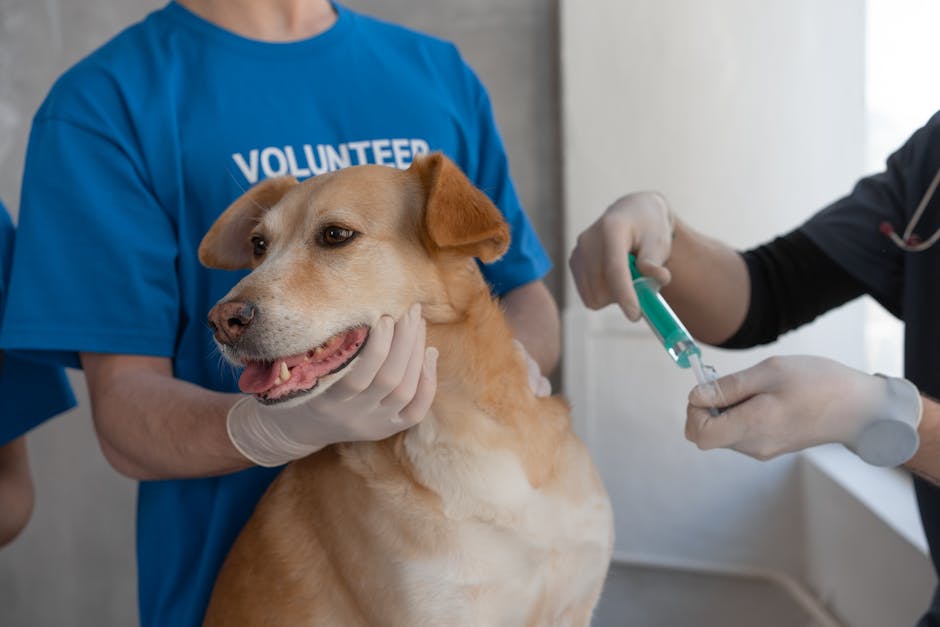
Our structured vaccination and prevention programmes are designed for puppies and kittens in the United Kingdom. We provide a systematic approach to infectious disease protection, including core vaccines, microchipping, and health record documentation. Each plan is tailored to your pet’s individual needs.
Schedule a Visit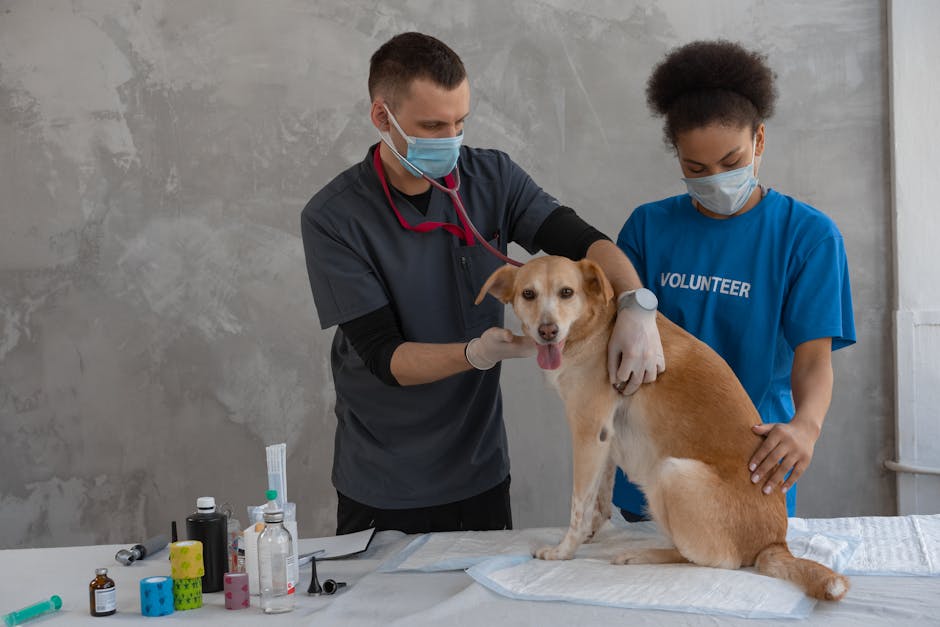
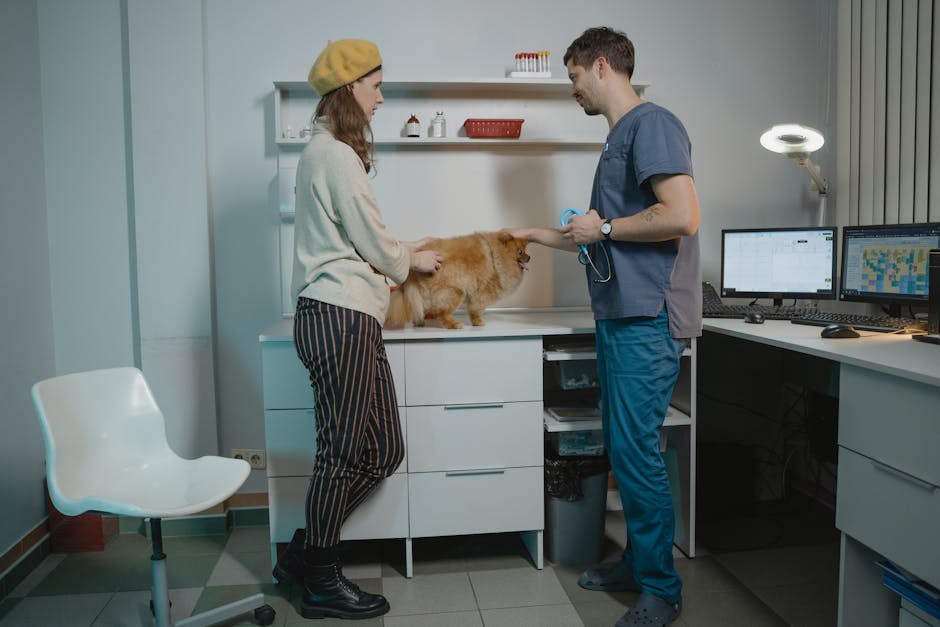
VetGuard operates as a veterinary practice focusing on preventive care for puppies and kittens. Our methods include a structured vaccination schedule, microchipping for identification, and the issuance of pet passports. We follow guidelines from veterinary bodies in the UK to ensure consistency. Each pet receives an individual assessment to determine the appropriate timing and type of vaccines. Our aim is to provide a clear framework for owners to follow, reducing uncertainty about their pet’s health. The process involves initial consultation, record-keeping, and follow-up appointments. We do not guarantee outcomes but offer a systematic methodology based on current veterinary knowledge.
Puppies and kittens require a series of vaccinations starting from around 8 weeks of age. The initial core vaccines cover diseases such as parvovirus, distemper, and feline calicivirus. Boosters are given at 12 to 16 weeks, followed by annual revaccination. The schedule can be adjusted based on the pet’s health status and lifestyle risks. Microchipping is often performed during the first visit, providing a permanent form of identification. A veterinary passport is then issued, documenting all vaccinations and treatments. Owners receive a detailed plan outlining each step. It is important to note that individual responses may vary, and factors such as maternal antibodies can affect timing. VetGuard provides a personalised timeline after an initial consultation.
Includes essential vaccines for common infectious diseases in the UK.
Permanent identification to reunite lost pets with owners.
Official health record accepted for travel within the UK.
Timeline adjusted to your pet’s age and health status.
The structured plan gave us clear steps for our puppy’s first year. The staff explained everything thoroughly, and we felt confident moving forward.
My kitten’s vaccination schedule was easy to follow. The microchipping was quick and the passport is very handy.
We appreciated the personalised timeline. It removed the guesswork and helped us stay on track with our dog’s health.
Preventive care provides a framework for managing a pet’s health over time. By following a scheduled vaccination and check-up routine, owners can monitor their pet’s development and address potential issues early. The process involves regular consultations and record-keeping, which helps build a comprehensive health history. While no system can eliminate all risks, a structured approach supports informed decision-making.
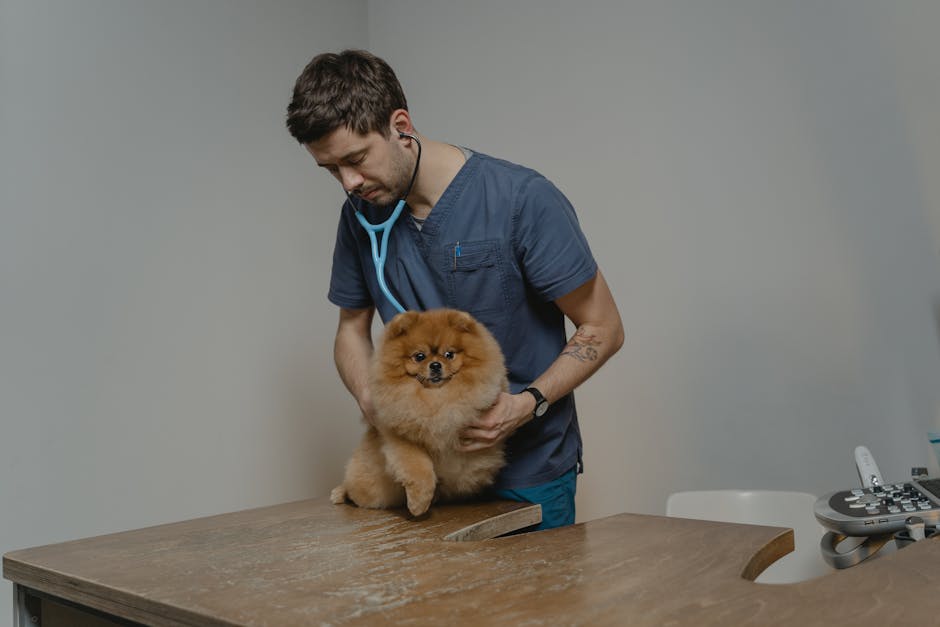
VetGuard’s team comprises qualified veterinary professionals experienced in small animal care. We follow a collaborative method where each pet’s health plan is reviewed by multiple practitioners. Our staff undergo continuous training in the latest preventive protocols. The clinic environment is designed to minimise stress for young animals. We believe in transparent communication with owners, explaining each step of the process. The team works together to ensure consistency across consultations. Our approach is grounded in current UK veterinary guidelines and research.
Assessment of the pet’s health and vaccination history to create a baseline.
Administration of core vaccines at intervals determined by age and health.
Implantation of a microchip and registration with a UK database.
Annual boosters and health checks to maintain protection.
A visual walkthrough of our veterinary facilities, including consultation rooms, vaccination stations, and waiting areas designed for comfort and safety.
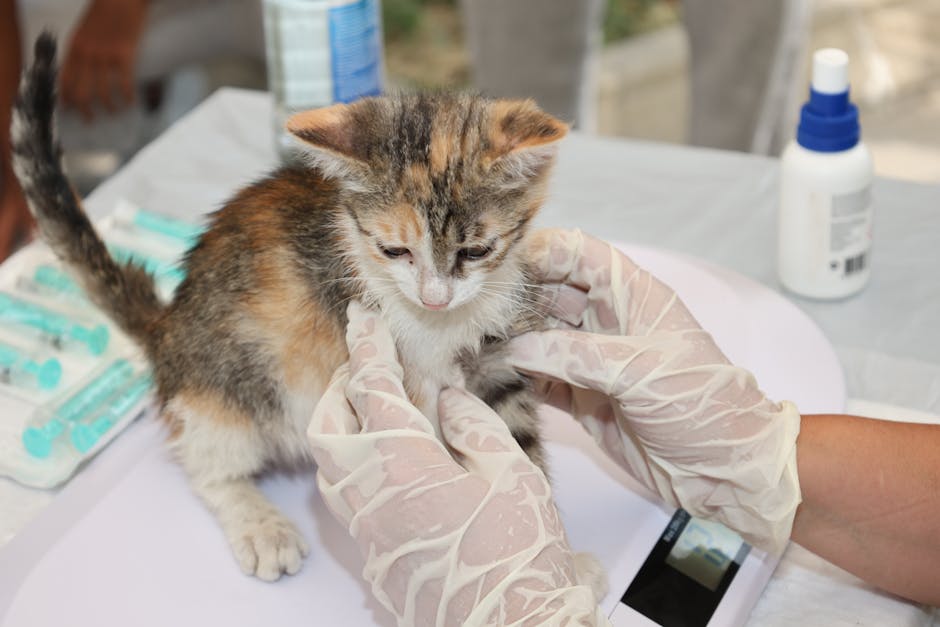
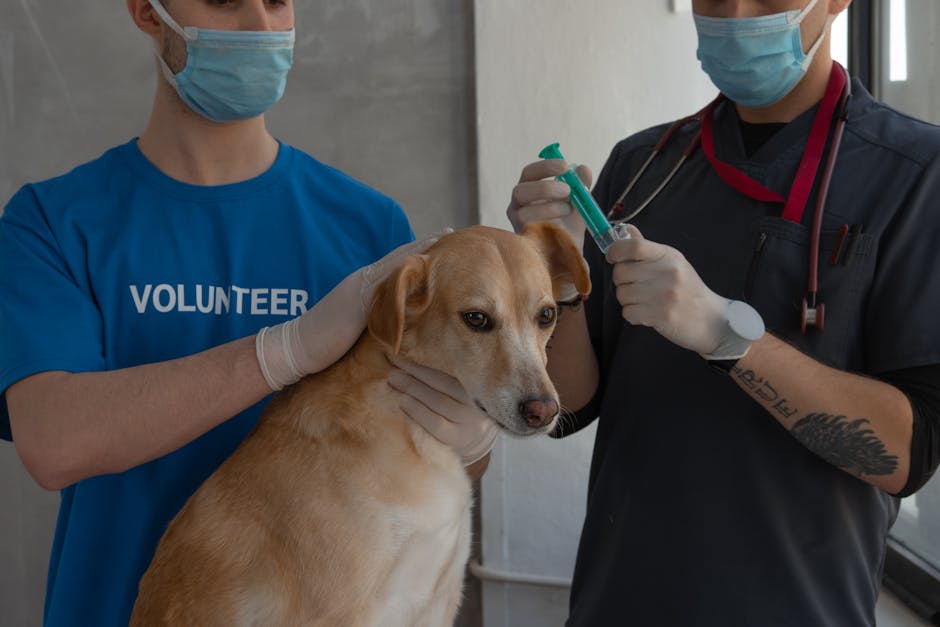
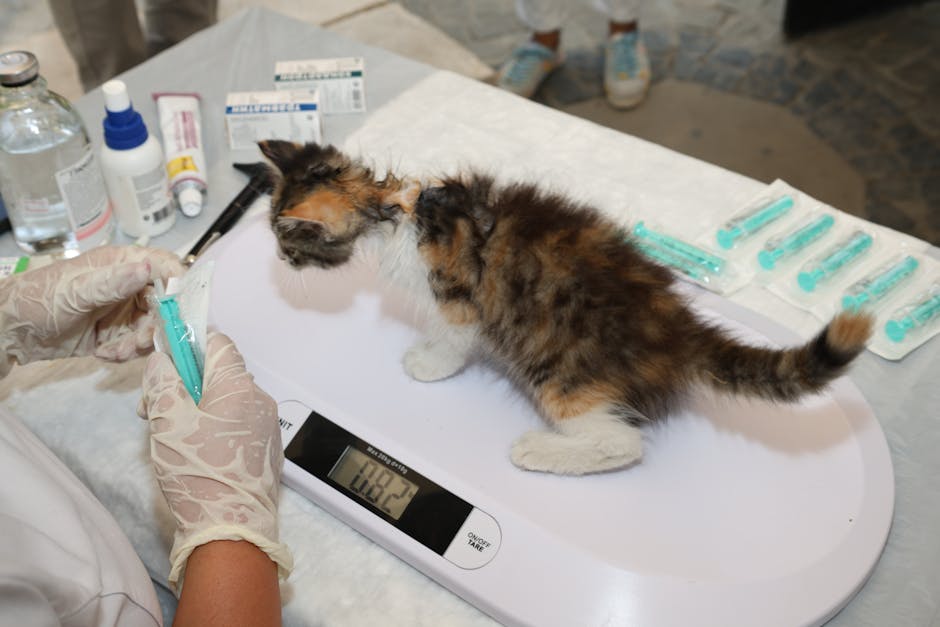
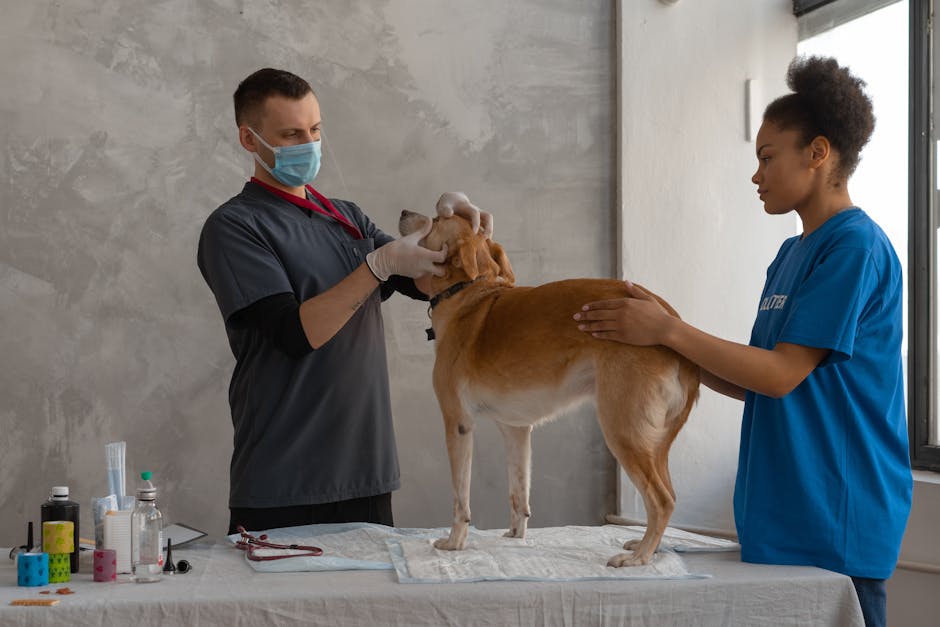
VetGuard adheres to established vaccination protocols recommended for the UK. Each vaccine is stored and administered according to manufacturer guidelines. We monitor pets for any reactions during and after the appointment. Owners are provided with a detailed information sheet about possible side effects and when to seek advice. The process includes a pre-vaccination health check to ensure the pet is fit. We emphasise that vaccination is one component of a comprehensive preventive plan. Additional measures include parasite control and nutrition guidance.
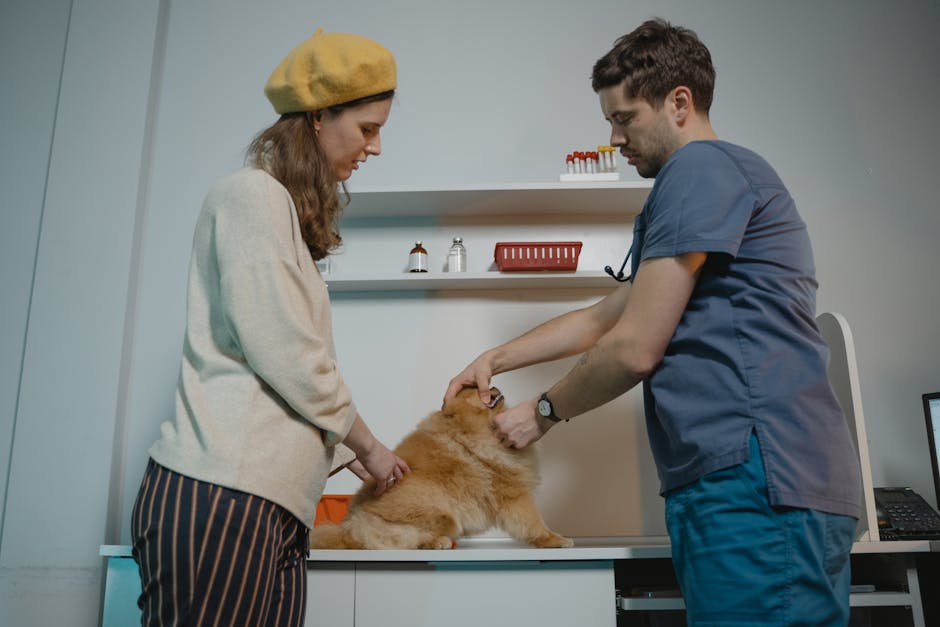
Our method organises preventive care into clear stages: assessment, vaccination, documentation, and recall. This structure allows owners to track their pet’s progress and prepare for each visit. We provide reminders for upcoming appointments via email or SMS. The system is designed to reduce the likelihood of missed vaccinations. Regular updates to the pet's health record ensure continuity. While we follow a standard framework, adjustments are made based on individual circumstances.
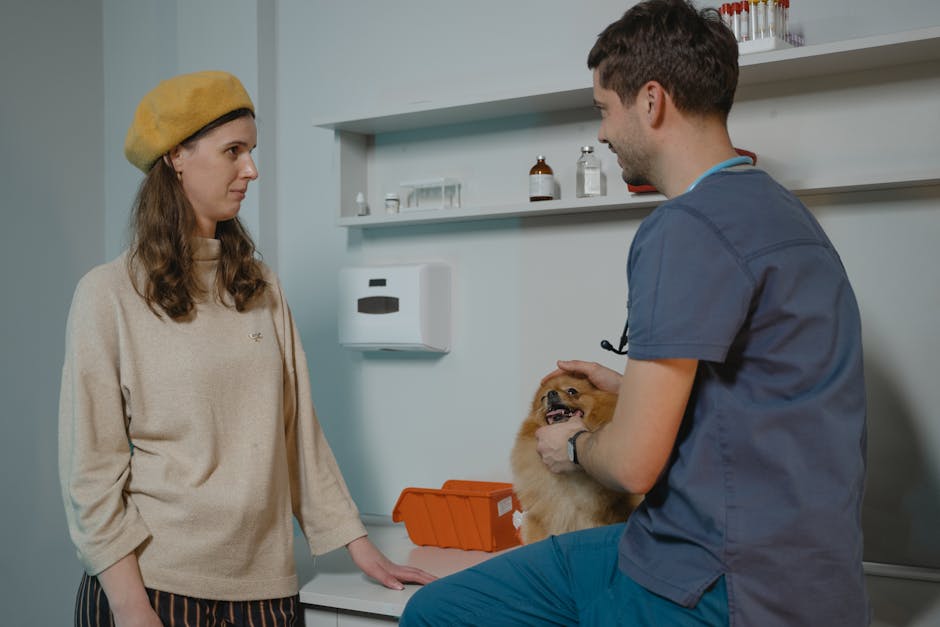
Advice and products for flea, tick, and worm control.
Recommendations on diet for growth and development.
Basic blood and faecal testing to screen for underlying issues.
Tips for socialisation and training during early months.
VetGuard operates with a policy of openness regarding all procedures and costs. Owners receive a clear breakdown of what each visit includes and any optional extras. Our consent forms explain the purpose of each vaccine and potential risks. We encourage questions at any stage. The clinic maintains detailed records of every intervention, available for owner review. We do not make guarantees about specific outcomes but provide evidence-based information to support owner decisions. Our goal is to build trust through clear communication.
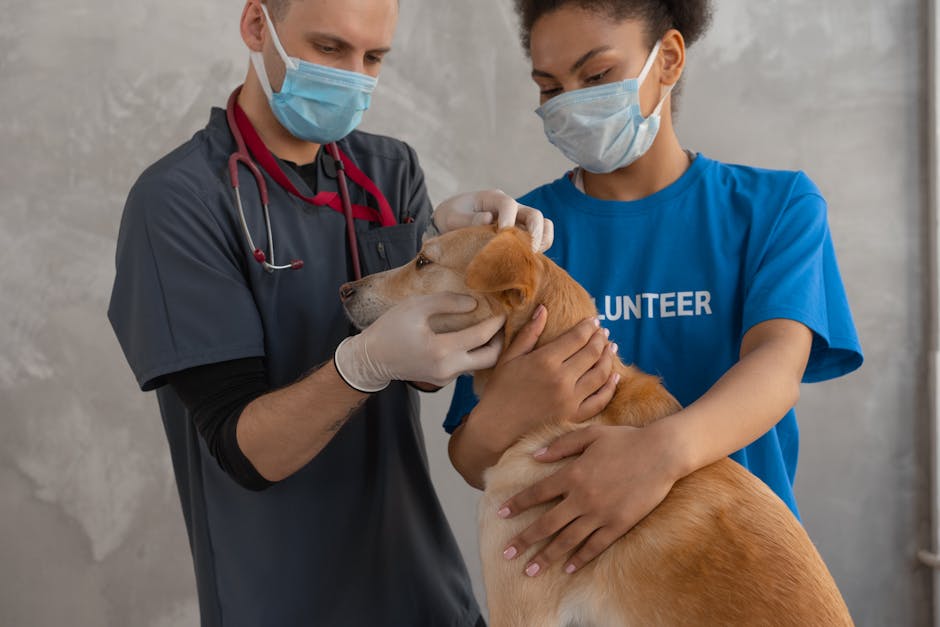
Maintaining a comprehensive health record is a core part of preventive care. At VetGuard, we issue a digital and physical passport that documents all vaccinations, microchip details, and health checks. This record is useful for travel, boarding, and insurance purposes. Owners can access their pet’s history via our online portal. Updates are made after each visit, ensuring accuracy. The record includes dates, vaccine batches, and any notes from the veterinarian. We remind owners when booster vaccinations are due. A structured record helps track adherence to the schedule. It also provides a basis for future veterinary consultations. We emphasise that accurate records contribute to better-informed care decisions over the pet’s lifetime.
Schedule online or by phone for a first visit.
Veterinary assessment to determine vaccination readiness.
Detailed vaccination schedule and additional recommendations.
Regular boosters and annual reviews to maintain coverage.
Fill in the form below to schedule a consultation or ask a question about our preventive programmes for puppies and kittens.